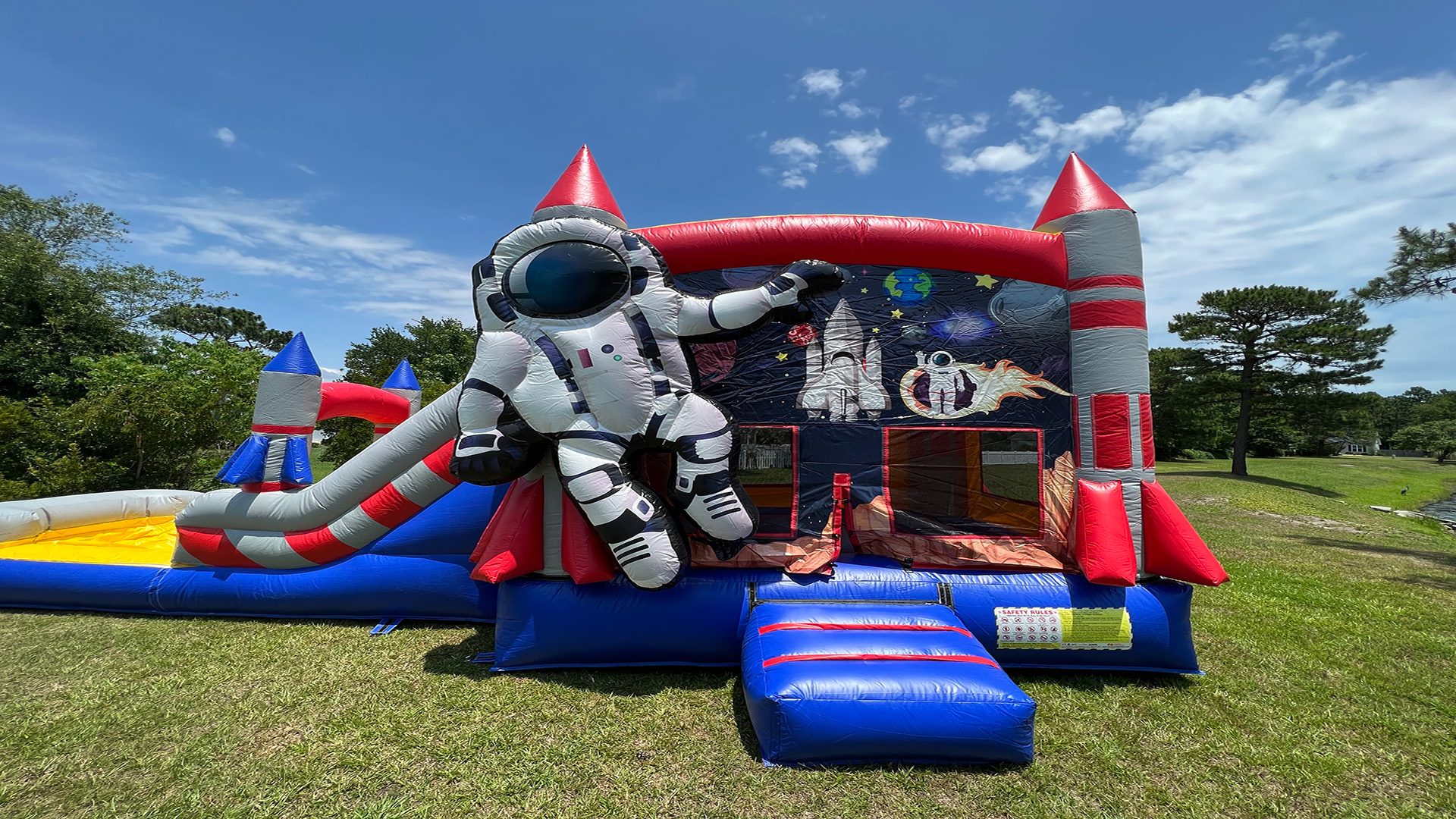
Opening Perspective of Event Guests and Inflatable Attractions
From the vantage point of an event guest, the presence of a bounce house often signifies more than a simple diversion. It becomes a symbolic threshold between ordinary routines and a space designed for levity and release. Guests arrive carrying expectations shaped by past celebrations, childhood recollections, and cultural associations with inflatable play structures. These expectations subtly influence how the entire event is perceived. The bounce house acts as a visual and emotional anchor, orienting guests toward participation rather than observation. It invites movement, laughter, and a temporary suspension of restraint. In this way, the journey of bounce house rentals unfolds not through logistics or planning, but through the lived perception of attendees who interpret its presence as a promise of conviviality and communal delight, setting the tone for the occasion before any interaction even begins.
Arrival Moments and the Visual Allure of Bounce Houses
Upon arrival, guests often encounter the bounce house as one of the most visually commanding elements of the event landscape. Its vibrant surfaces, generous proportions, and playful contours create an immediate focal point that draws the eye and stimulates curiosity. For many attendees, this first impression establishes a sense of scale and effort invested in the gathering. The bounce house conveys abundance and hospitality, suggesting that enjoyment has been thoughtfully considered. Guests may pause, observe others engaging with it, and mentally note its role within the event environment. This visual allure operates on a subconscious level, fostering anticipation and easing social tension. It signals that the event encourages participation rather than passive attendance, gently nudging guests toward a mindset of openness and readiness for amusement.
Anticipation and Emotional Readiness Before Participation
Before stepping inside the bounce house, guests often experience a distinct phase of anticipation marked by heightened awareness and emotional readiness. This moment is characterized by a blend of eagerness and mild apprehension, particularly among adults who may feel temporarily disconnected from such playful settings. Observing others jump, laugh, and momentarily abandon decorum helps dissolve these reservations. Anticipation becomes a shared emotional current, circulating among onlookers and participants alike. The bounce house serves as a catalyst for this transformation, encouraging guests to recalibrate their self perception from composed attendee to active participant. This emotional preparation enriches the overall journey, as the pleasure derived from the experience is amplified by the buildup that precedes it, rendering the eventual participation more memorable and impactful.
Immersive Sensory Encounters During the Experience
Once inside, guests are enveloped in a sensory environment distinct from any other element of the event. The tactile sensation of the inflated surface beneath their feet, the gentle resistance of air filled walls, and the rhythmic motion of bouncing create a physical dialogue that demands presence. Sound becomes layered, with laughter, ambient music, and the soft reverberation of movement blending into an auditory tapestry. Visually, the interior offers a cocoon of color and light that isolates participants from external distractions. This immersive quality encourages guests to surrender to the moment, fostering a rare form of embodied engagement. The bounce house thus transcends its role as entertainment, becoming a temporary realm where sensory input aligns to produce unguarded enjoyment.
Social Interaction and Shared Enjoyment Among Guests
The journey through a bounce house experience is inherently social, shaped by interactions that unfold organically among guests. Strangers exchange smiles, friends encourage one another, and families reconnect through shared movement. Hierarchies dissolve as age, status, and formality lose relevance within the inflatable space. Guests often find themselves laughing at minor stumbles or applauding enthusiastic jumps, creating spontaneous bonds rooted in shared amusement. These interactions extend beyond the bounce house itself, influencing conversations and relationships throughout the event. The inflatable becomes a social equalizer, fostering inclusivity and mutual recognition. Through this lens, guests perceive the bounce house not merely as an attraction, but as a facilitator of connection that enriches the collective experience.
Emotional Rhythm From Excitement to Contentment
As participation continues, guests experience an emotional rhythm that evolves from initial excitement to a deeper sense of contentment. The early moments are marked by exuberance and novelty, with adrenaline driving movement and laughter. Over time, this intensity softens into a more reflective enjoyment characterized by satisfaction and relaxation. Guests may pause, observe others, or simply relish the sensation of having engaged fully. This emotional progression mirrors a well crafted narrative arc, offering both stimulation and resolution. The bounce house supports this journey by providing a space where guests can modulate their involvement according to comfort and inclination. The result is a balanced emotional experience that leaves participants feeling fulfilled rather than fatigued.
Perceptions of Safety, Care, and Event Organization
Throughout the experience, guests remain attuned to cues that signal safety and thoughtful organization. The visible stability of the bounce house, the orderly flow of participants, and the presence of attentive supervision contribute to a sense of trust. Guests interpret these elements as reflections of the host’s consideration and professionalism. This perception enhances comfort, allowing participants to engage without lingering concern. When safety measures are seamlessly integrated, they recede into the background, enabling enjoyment to take precedence. From the guest perspective, this assurance is integral to the overall journey, as it reinforces confidence in the event environment. A well managed bounce house thus becomes emblematic of care and reliability, shaping positive impressions beyond the activity itself.
Memory Creation and Nostalgic Resonance
Long after the event concludes, guests often recall the bounce house as a highlight that crystallizes their memory of the occasion. The physicality of the experience anchors it firmly in recollection, while the associated emotions lend it nostalgic resonance. Guests may recount moments of laughter, unexpected bravery, or shared delight, weaving these anecdotes into their personal narratives. The bounce house serves as a mnemonic device, encapsulating the spirit of the event in a single, vivid image. This enduring quality underscores its significance within the guest journey. Rather than fading into the background, the experience persists as a reference point for joy and spontaneity, reinforcing the value of such attractions in event settings.
Enduring Impressions After the Event Concludes
In retrospect, guests often evaluate the event through the cumulative impressions formed during moments of engagement, with the bounce house occupying a prominent position in this assessment. It represents a deliberate invitation to participate, to momentarily step outside routine, and to connect with others through play. These enduring impressions influence how guests speak about the event, recommend it, or compare it to future gatherings. The bounce house becomes synonymous with thoughtful hosting and experiential richness. Through the eyes of event guests, its journey extends beyond the inflatable structure itself, encompassing emotional shifts, social bonds, and lasting memories. This holistic impact affirms the bounce house as a meaningful component of celebratory experiences.
About The Author