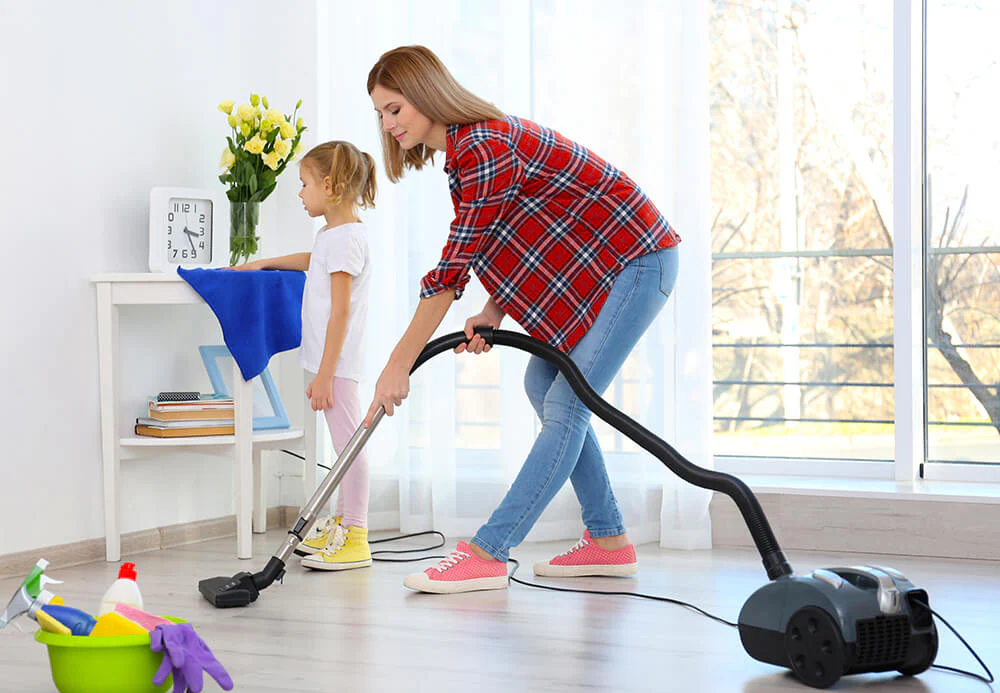
Keeping your home clean is easier when you have the right vacuum cleaner. With so many models available today, choosing the perfect one can feel overwhelming. From upright and cordless vacuums to robotic and canister models, each type is designed for different cleaning needs. The best vacuum cleaner is not always the most expensive one. Instead, it is the one that matches your home, flooring, lifestyle, and budget. Taking the time to understand your requirements before making a purchase will help you invest in a vacuum cleaner that delivers excellent performance and lasts for years. This guide explains the important factors to consider so you can confidently choose the best vacuum cleaner for your home.
Understand Your Cleaning Needs
The first step in choosing a vacuum cleaner is understanding your cleaning requirements. Every home is different, and the type of flooring, furniture, and overall layout can influence the vacuum you need. If your home has mostly hardwood or tile flooring, you may not require the same level of suction or brush roll features as someone with thick carpets. Homes with multiple levels may benefit from a lightweight model that is easy to carry between floors. If you have large open spaces, a vacuum with a wider cleaning path can help you finish cleaning more quickly. Evaluating your home’s unique needs before shopping ensures that you select a vacuum cleaner designed to handle your daily cleaning routine efficiently.
Consider the Different Types of Vacuum Cleaners
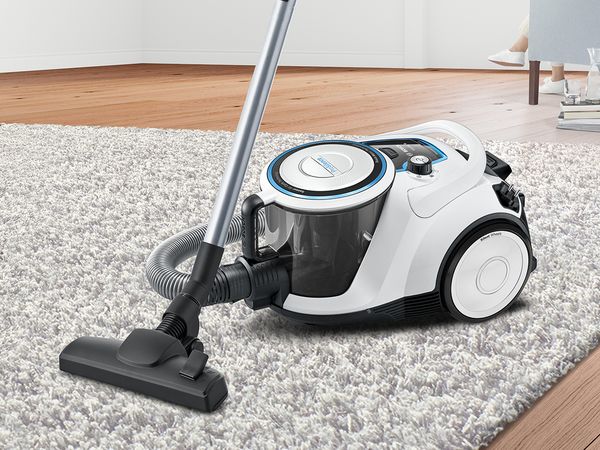
Vacuum cleaners come in several styles, each offering unique advantages. Upright vacuum cleaners are ideal for deep cleaning carpets and covering large floor areas. Canister vacuums are highly versatile and work well on both hard floors and carpets while making it easier to clean stairs and under furniture. Stick vacuums are lightweight and convenient for quick cleanups, making them popular for smaller homes and apartments. Cordless models provide excellent flexibility without the hassle of managing a power cord, although battery life should be considered. Robotic vacuum cleaners offer automatic cleaning and are ideal for maintaining cleanliness with minimal effort. Understanding the strengths of each type will help you choose the one that best suits your household.
Evaluate Suction Power and Cleaning Performance
One of the most important features of any vacuum cleaner is its suction power. Strong suction allows the vacuum to remove dust, dirt, pet hair, and debris effectively from different surfaces. However, suction alone does not determine cleaning performance. The design of the brush roll, airflow system, and filtration also play important roles. A vacuum with adjustable suction settings can be useful because it allows you to clean delicate rugs, curtains, and hard floors without causing damage. Reading product specifications and customer reviews can provide valuable insight into how well a vacuum performs under real household conditions.
Choose the Right Filtration System
The filtration system is particularly important for households with allergy sufferers or pets. High Efficiency Particulate Air, commonly known as HEPA filtration, captures tiny particles such as pollen, dust mites, and pet dander. This helps improve indoor air quality by preventing allergens from being released back into the room. Even if allergies are not a concern, a high quality filtration system contributes to a cleaner living environment. Some vacuum cleaners also include sealed filtration systems that ensure dust remains trapped inside the machine until it is emptied. Investing in a vacuum with an effective filtration system can make a noticeable difference in maintaining a healthier home.
Think About Bagged vs Bagless Models
Another important decision is whether to choose a bagged or bagless vacuum cleaner. Bagged models collect dust inside disposable bags, making disposal cleaner and more hygienic. They are often preferred by allergy sufferers because there is less exposure to dust during emptying. Bagless vacuum cleaners use reusable dust containers that are easy to empty and eliminate the ongoing cost of replacement bags. However, emptying the container may release some dust into the air if not done carefully. Both options have their benefits, so your decision should depend on your cleaning preferences, convenience, and maintenance expectations.
Consider Weight, Size, and Ease of Use
A vacuum cleaner should be comfortable to use regularly. Heavy models may offer powerful cleaning performance, but they can become tiring during extended cleaning sessions. Lightweight vacuum cleaners are easier to carry upstairs and maneuver around furniture. Features such as swivel steering, adjustable handles, long power cords, and ergonomic grips improve overall usability. Cordless models offer greater freedom of movement, while compact designs are ideal for homes with limited storage space. Choosing a vacuum that is easy to operate encourages more frequent cleaning and reduces physical strain.
Look for Useful Accessories and Attachments
Modern vacuum cleaners often include a variety of accessories that make cleaning easier and more efficient. Crevice tools help reach tight corners and narrow spaces, while upholstery brushes clean sofas, chairs, and mattresses effectively. Dusting brushes are useful for shelves, blinds, and delicate surfaces. Pet hair attachments are specially designed to remove stubborn fur from carpets and furniture. Extension wands make it easier to clean ceilings, curtains, and high shelves. Before purchasing a vacuum cleaner, consider whether the included attachments match the areas you clean most often.
Check Noise Levels and Maintenance Requirements
Noise can be an important consideration, especially for families with young children, elderly residents, or pets. Some vacuum cleaners are specifically designed to operate more quietly while still providing powerful cleaning performance. Maintenance is another factor that should not be overlooked. Regularly cleaning filters, replacing bags when necessary, and removing tangled hair from brush rolls help maintain peak performance. Choosing a vacuum cleaner with washable filters and easily accessible components can reduce maintenance time and lower long term ownership costs.
Compare Features Within Your Budget
While premium vacuum cleaners often include advanced technology and additional features, many affordable models also provide excellent cleaning performance. Setting a realistic budget before shopping allows you to focus on products that offer the best value rather than simply choosing the most expensive option. Compare features such as suction power, battery life, filtration, included accessories, warranty coverage, and customer reviews. A well balanced vacuum cleaner that meets your needs will provide greater satisfaction than paying extra for features you may never use.
Conclusion
Choosing the best vacuum cleaner for your home requires careful consideration of your cleaning habits, flooring type, household size, and personal preferences. By understanding the different types of vacuum cleaners, evaluating suction power and filtration, considering ease of use, and comparing useful features, you can make an informed decision that suits your lifestyle. A quality vacuum cleaner not only keeps your home cleaner but also helps improve indoor air quality and makes regular household maintenance much easier. Taking the time to research your options will ensure you invest in a reliable vacuum cleaner that delivers excellent performance for years to come.