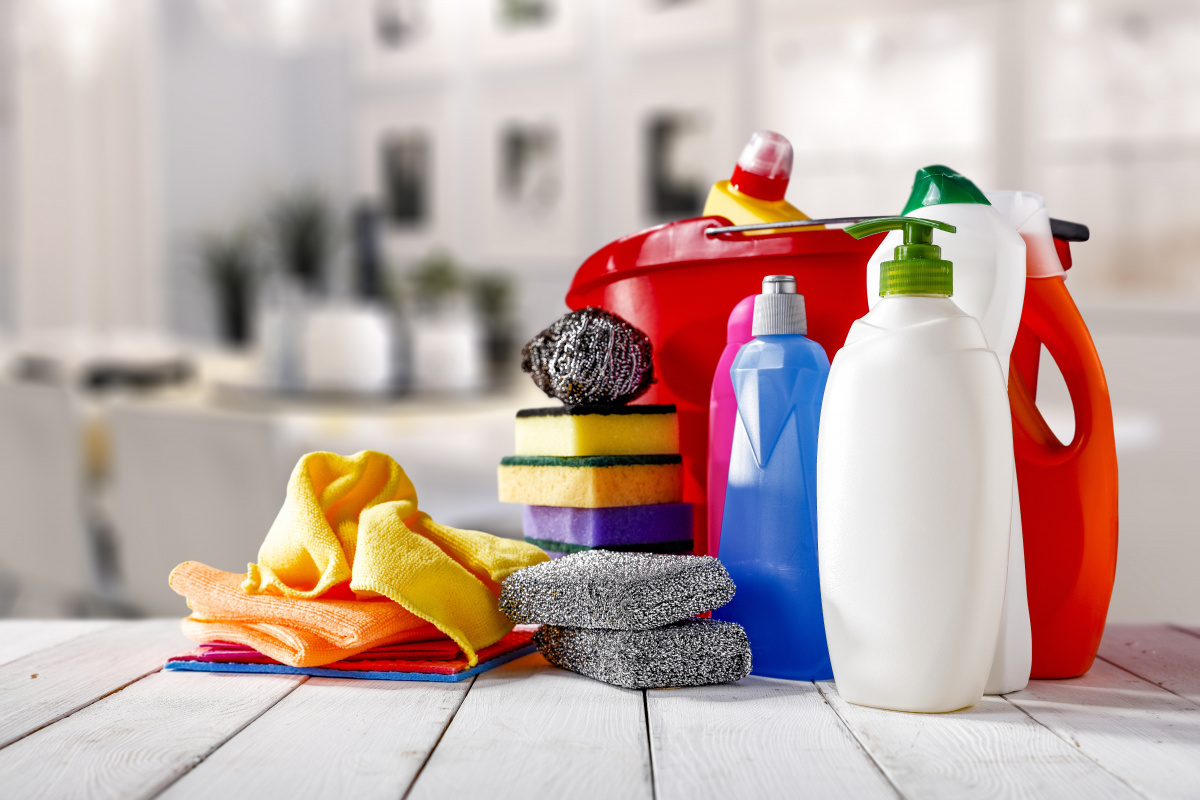
Keeping a home or workplace clean is not just about appearance; it is also essential for maintaining hygiene, extending the life of surfaces, and creating a healthier environment. However, choosing the right cleaning product can be confusing because different surfaces require different types of care. Using the wrong product may lead to discoloration, damage, or reduced effectiveness. Understanding how to match cleaning products with specific materials ensures better results while protecting your investment in furniture, flooring, and fixtures.
Understanding Surface Types
Before selecting any cleaning product, it is important to identify the type of surface you are dealing with. Surfaces can generally be categorized into porous and non-porous materials. Porous surfaces such as wood, natural stone, and fabric tend to absorb liquids and require gentle, specially formulated cleaners. Non-porous surfaces like glass, metal, and plastic are more resistant to moisture and can handle stronger cleaning agents. Knowing this distinction helps prevent issues like staining or corrosion and allows you to choose products that clean effectively without causing harm. Browse a wide range of high-quality options for Cleaning Product In Australia Online at Vac City to keep homes and workplaces spotless with ease.
Choosing Cleaners for Wooden Surfaces
Wooden surfaces, including furniture and flooring, require careful handling because they are sensitive to moisture and harsh chemicals. It is best to use pH-balanced or specially designed wood cleaners that clean without stripping the natural finish. Avoid using excessive water or abrasive scrubbing tools, as these can cause warping or scratches. For polished wood, a cleaner with conditioning properties can help maintain its shine and durability. Regular dusting combined with occasional deep cleaning ensures that wooden surfaces remain attractive and long-lasting.
Best Products for Glass and Mirrors
Glass and mirrors require streak-free cleaning for a polished look. Using a dedicated glass cleaner or a solution with ammonia can effectively remove fingerprints, smudges, and dust. Microfiber cloths are ideal because they do not leave lint behind and help achieve a clear finish. It is important to avoid using overly soapy solutions, as they can leave residue that dulls the surface. Proper technique, such as wiping in a circular or vertical motion, also contributes to a spotless appearance.
Cleaning Solutions for Kitchen Surfaces
Kitchen surfaces are exposed to grease, food residue, and bacteria, making it essential to use products that both clean and disinfect. For countertops, the type of material matters. Granite and marble require gentle, non-acidic cleaners to avoid etching, while laminate surfaces can tolerate mild multipurpose cleaners. Degreasers are particularly useful for stovetops and backsplashes where oil buildup is common. Choosing food-safe disinfectants ensures that surfaces remain hygienic without introducing harmful chemicals into food preparation areas.
Bathroom Surface Care
Bathrooms are prone to moisture, soap scum, and mineral deposits, so selecting the right cleaning products is crucial. Tiles, sinks, and bathtubs benefit from cleaners that can break down limescale and soap residue. However, strong acidic cleaners should be used carefully, especially on natural stone surfaces, as they can cause damage. Mold and mildew removers are also important in humid areas to prevent health risks and maintain cleanliness. Regular cleaning with appropriate products helps keep bathroom surfaces fresh and sanitary.
Selecting Cleaners for Fabric and Upholstery
Fabric and upholstery require gentle yet effective cleaning solutions to remove dirt and stains without damaging fibers. It is advisable to use products specifically designed for textiles, as they are formulated to clean deeply while preserving color and texture. Spot testing any cleaner on a hidden area is a good practice to ensure compatibility. Vacuuming regularly and using foam-based or low-moisture cleaners can help maintain upholstery without oversaturating the material, which may lead to mold or unpleasant odors.
Metal and Stainless Steel Maintenance
Metal surfaces, especially stainless steel, are commonly found in kitchens and appliances. These surfaces benefit from cleaners that remove fingerprints, grease, and water spots while enhancing shine. Using abrasive cleaners or scrubbers can cause scratches, so it is better to opt for soft cloths and non-abrasive solutions. Specialized stainless steel cleaners can provide a protective layer that reduces future smudges. Wiping in the direction of the grain ensures a consistent and polished look.
Eco-Friendly Cleaning Options
With growing awareness about environmental impact, many people are turning to eco-friendly cleaning products. These products are made from natural ingredients and are free from harsh chemicals, making them safer for both users and the environment. Ingredients like vinegar, baking soda, and lemon can be effective for various cleaning tasks. However, it is still important to match these solutions with the right surfaces to avoid unintended damage. Eco-friendly products are especially beneficial for households with children or pets.
Reading Labels and Instructions
One of the most overlooked aspects of choosing cleaning products is reading the labels and instructions carefully. Manufacturers provide important information about suitable surfaces, dilution ratios, and safety precautions. Following these guidelines ensures optimal results and reduces the risk of accidents or damage. Labels also indicate whether a product is antibacterial, non-toxic, or suitable for specific materials. Taking a few moments to review this information can make a significant difference in cleaning efficiency.
Avoiding Common Mistakes
Many cleaning issues arise from simple mistakes such as mixing incompatible chemicals, using excessive amounts of product, or applying the wrong cleaner to a surface. For example, combining certain cleaners can produce harmful fumes, while overusing products can leave residue that attracts more dirt. It is also important to use the right tools, such as soft cloths, brushes, or mops, depending on the surface. Being mindful of these factors helps achieve better results while ensuring safety.
Conclusion
Choosing the best cleaning product for different surfaces requires a combination of knowledge, attention to detail, and careful selection. By understanding surface types, selecting appropriate products, and following proper techniques, you can maintain cleanliness while protecting your belongings. Investing time in learning about cleaning solutions not only improves results but also extends the life of your surfaces. A thoughtful approach to cleaning ensures a healthier, more comfortable environment for everyone.
About The Author